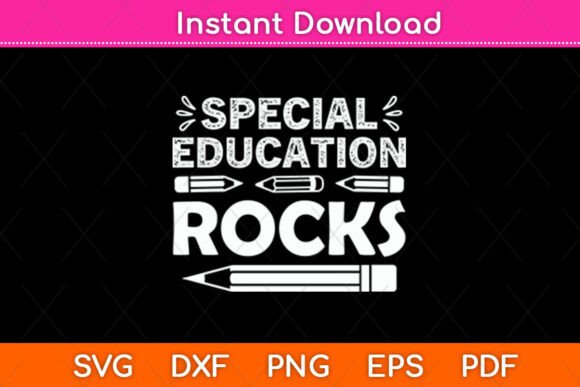
Special Education Rocks Teacher Student
A Designer’s First Glance: Friendly, Uplifting—But Does It Stitch Cleanly?
When I opened Special Education Rocks Teacher Student for the first time, my eye went straight to the warmth—not just the theme, but the rhythm of the lettering and the subtle rock motif tucked into the “O” of “Rocks.” It’s a design that leans into positivity without shouting. As an embroidery designer who’s stitched hundreds of education-themed files, I appreciate how this one avoids cliché clipart energy. It feels handmade in spirit—even though it’s a digital file—and that matters when you’re building trust with teachers, parents, or boutique buyers.
Real-World Test: Embroidering It on a Cotton-Linen Tote for a Back-to-School Pop-Up
Last week, I used Special Education Rocks Teacher Student to embroider a set of 14” x 16” canvas tote bags for a local special ed resource fair. We chose medium-weight natural cotton-linen blend fabric—textured enough to feel artisanal, stable enough for clean satin stitch edges. With a 4” hoop and medium-weight cutaway stabilizer, the design stitched out smoothly. The letterforms held up well: no thread nesting in the curves of “Teacher,” and the “Student” tail didn’t pull or distort. What stood out? How legible it stayed at 3.5” wide—ideal for tote placement just below the shoulder strap. Customers paused, smiled, and asked where we got the design. That’s the quiet power of a well-balanced machine embroidery design: it invites conversation, not confusion.
Where It Shines—and Where You’ll Want to Pause
Special Education Rocks Teacher Student works beautifully on:
- Custom apparel: Sweatshirts (left chest), crewneck tees (center front), and relaxed-fit caps (front panel)—as long as the curve is gentle and stabilizer is layered correctly;
- Embroidered patches: The clean outlines and moderate fill stitch density make it ideal for iron-on or sew-on patches meant for backpacks or classroom aprons;
- Baby embroidery: On organic cotton onesies or muslin burp cloths—just scale down to 2.75” and use lightweight tear-away stabilizer;
- Holiday embroidery: Think teacher appreciation mugs (with heat-transfer vinyl + embroidery combo) or embroidered tea towels for end-of-year gifts;
- Small shop product: It pairs effortlessly with neutral-toned nursery decor—think linen pillow covers or framed hoop art—without overwhelming the space.
That said, proceed with care on:
- Stretchy fabrics like jersey or ribbed knits—tighten your tension, use topping, and test first. The “Rocks” arch can blur if the fabric shifts mid-stitch;
- Dark fabric backgrounds: The design doesn’t include built-in underlay, so white or light thread may need an extra pass or a white base layer for crispness;
- Tiny hoop sizes under 3”: The inner details—like the subtle rock shape inside the “O”—lose definition. Stick to 3.5” minimum for clarity;
- Layered garments, such as hoodies with thick pocket flaps: Hoop carefully, and consider splitting the design into two passes if the back neck curve interferes with registration.
What It Adds to Your Finished Product—Beyond Aesthetics
This isn’t just a graphic—it’s a tone-setter. When stitched cleanly, Special Education Rocks Teacher Student elevates perceived value. Teachers recognize authenticity in the thoughtful spacing and intentional weight of the letters; parents see care in the balanced proportions. For Etsy sellers, that translates to stronger buyer engagement—more saves, longer dwell time, fewer “Is this available in navy?” questions because the mockup reads clearly across fabric types.
It also supports brand consistency. Whether you’re using it across a line of embroidered kitchen towels, custom aprons for therapy clinics, or printable mockups for your digital embroidery file shop, the design carries a cohesive voice: respectful, joyful, grounded. No forced whimsy. No overused hearts or apples. Just sincerity, stitched.
Practical Notes Every Embroidery Designer Should Check
Before stitching Special Education Rocks Teacher Student on your next client project or small batch run:
- Test on scrap fabric first—especially if using textured weaves or blends. Stitch density affects how “rock-solid” those curves look;
- Review thread colors with your client. Navy + gold reads differently than charcoal + cream. Suggest a 2–3 color palette upfront;
- Confirm hoop size compatibility. This design fits comfortably in a 4” x 4”, but verify your machine’s max dimensions before importing;
- Inspect small details at 200% zoom in your embroidery software—look for stray nodes or overlapping paths that could cause jump stitches;
- Try black-and-white mockups to assess contrast and hierarchy. Does “Teacher” read faster than “Student”? Adjust scaling if needed;
- Use proper stabilizer: Cutaway for knits and heavy wear items, tear-away for lightweight linens or baby items;
- Check licensing. Since this is labeled a Graphics file for cutting machines, confirm whether commercial embroidery rights are included—or if you need separate permission to sell finished embroidered products.
Final Thought: A Quietly Confident Choice for Purpose-Driven Makers
Special Education Rocks Teacher Student won’t wow with flash—but it earns respect through reliability. It’s the kind of embroidery file that makes your tote bag feel like a gift, your sweatshirt feel like a statement, and your Etsy listing feel like a collaboration with the people who use it every day. It belongs in the toolkit of craft business owners who value intention over impulse, clarity over clutter, and real connection over trend-chasing. If you’re stitching for educators, supporting inclusion, or simply making things that matter—this design holds space for all of it.